

UNHCR, the UN Refugee Agency is one of the key global actors engaged with the Emergency Supplies Prepositioning Strategy (ESUPS), contributing data from its seven emergency stockpiles and testing how the STOCKHOLM platform works in global operational conditions. In a recent interview, Monika Karman, from UNHCR Supply Management Service, shared her experience with the platform and what it takes to turn stock visibility into something that others can act on.
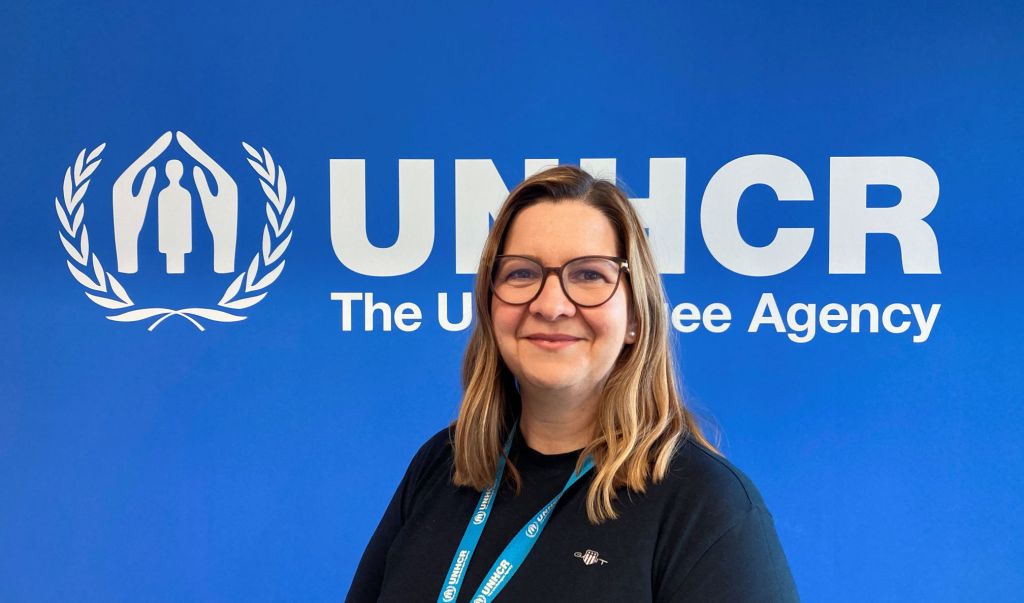
“We started uploading information on our stock across all our Global Stockpiles into STOCKHOLM one year ago. If there is an urgent need, an organization can check availability, for example of one thousand family tents from our stock and approach UNHCR to mobilize the items quickly.”
Monika Karman, Logistics Associate at UNHCR
As UNHCR expanded the use of the STOCKHOLM platform, moving from global stockpiles to operations across more than thirty countries, the effort required to share data between system increased. This reflects a common reality across the sector, where willingness to collaborate is high and technical integration is catching up.
“At the beginning, updating a few global stocks took around 20 minutes. But now, with more operations and more items, it can be time-consuming. That is why we are discussing to move towards automation”, Monika Karman.
Interoperability and automation are central to the current phase of STOCKHOLM’s development. Together with partners such as UNHCR, UNHRD and IMC, ESUPS is working to enable data exchange between our organisation’s platforms through an Application Programming Interface (API).
The objective is to move towards an ecosystem across organisations where different tools can communicate with each other in real time, reducing duplication of effort and ensuring data accuracy.
With increasing pressure on resources and growing needs, organisations are looking for ways to work more efficiently together. In this context, ESUPS seeks to make STOCKHOLM the global reference platform for humanitarian stock prepositioning.
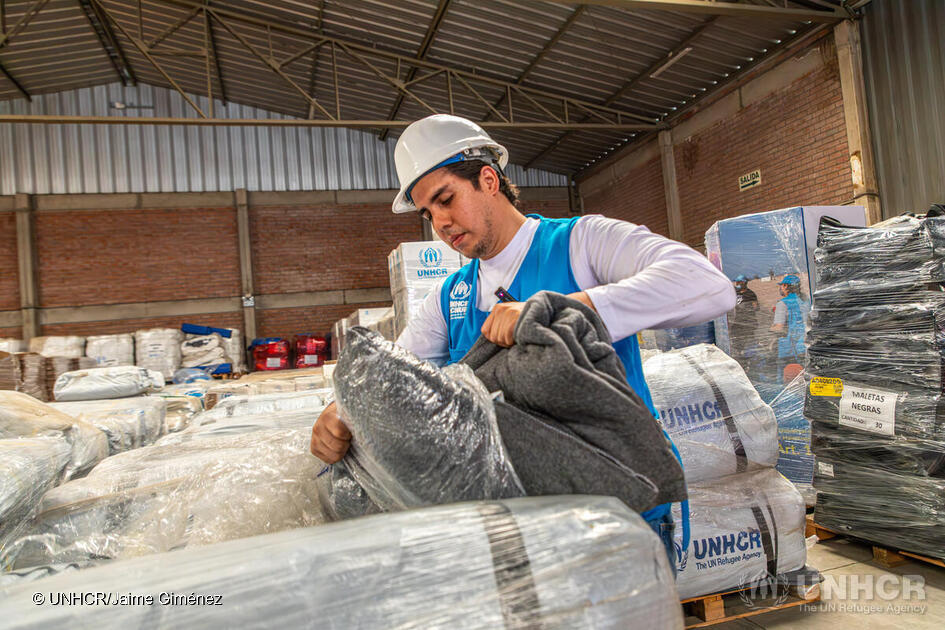
Today, STOCKHOLM is used by 227 organisations across countries and contexts, contributing to a shared view of humanitarian stock. The more actors engage, the more data collected, the more accurate the analysis for informed decision-making the more complete and useful for decision-making the data becomes.
If your organisation is working on stock prepositioning, you can start using the STOCKHOLM platform to support you.