


Located in Central America, Honduras is a country exposed to a recurring cycle of large-scale disasters. Most significant are the hurricanes, floods and storms that affect the country each year.
In response, national actors in Honduras have started taking steps forward to change their approach to disaster preparedness. The country’s humanitarian network is working to transform how emergency stock prepositioning is managed and coordinated, with the aim of reaching a nationally driven, collaborative approach in the future.
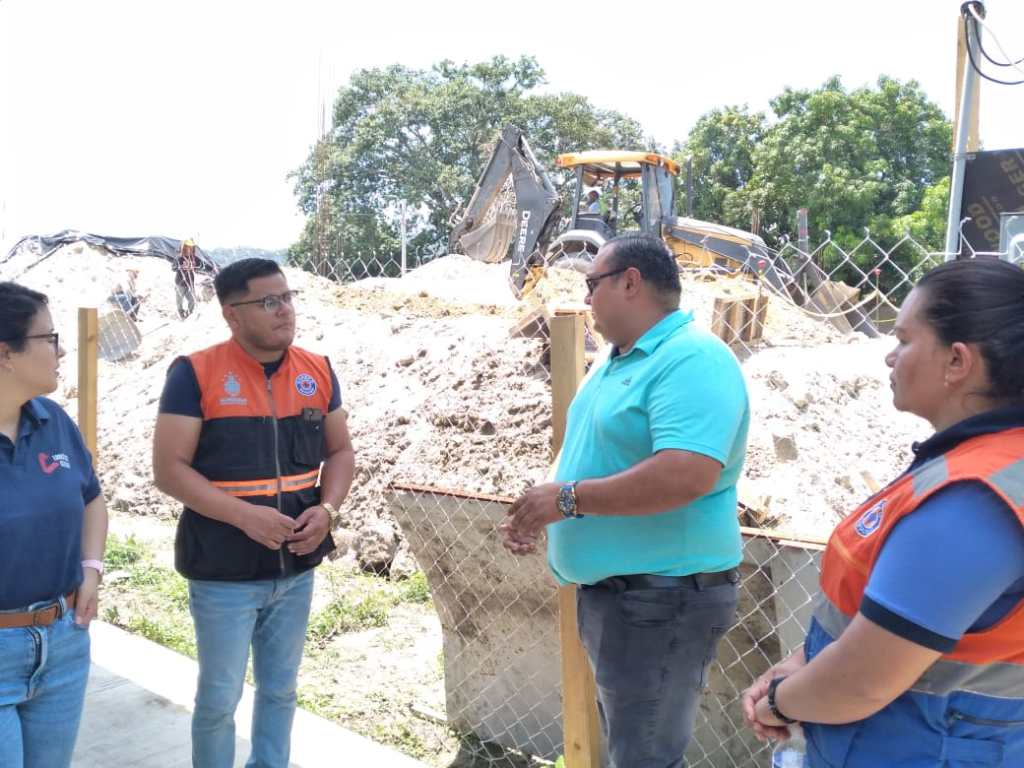
Challenges in historical natural disaster in Honduras
Following Hurricane Mitch in 1998, the humanitarian community in Honduras recognised the need to improve practices around the stockpiling of relief items. It had, however, remained a hard problem to solve. Until two years ago, the Honduras National Disaster Management Office (NDMO), COPECO, relied on static Excel spreadsheets to track limited stock data from a small number of organisations.
While the UN Office for the Coordination of Humanitarian Affairs (OCHA) was instrumental in facilitating this shared resource, there were still several challenges including:
- Lack of data collection capacity
- Fragmented data management at a national level
- Difficulty in achieving full collaboration among humanitarian actors.
- Inability to design effective emergency stock prepositioning strategies, impacting overall disaster preparedness efforts.
Recognising these limitations, a coalition of humanitarian actors committed to developing a more cohesive and effective approach.
A new solution
To strengthen national preparedness and response capabilities, humanitarian organisations in Honduras initiated a stock prepositioning strategy centred on data sharing and collaboration for enhanced stockpile management. Led by Honduran actors with support from the international humanitarian community, this initiative has achieved:
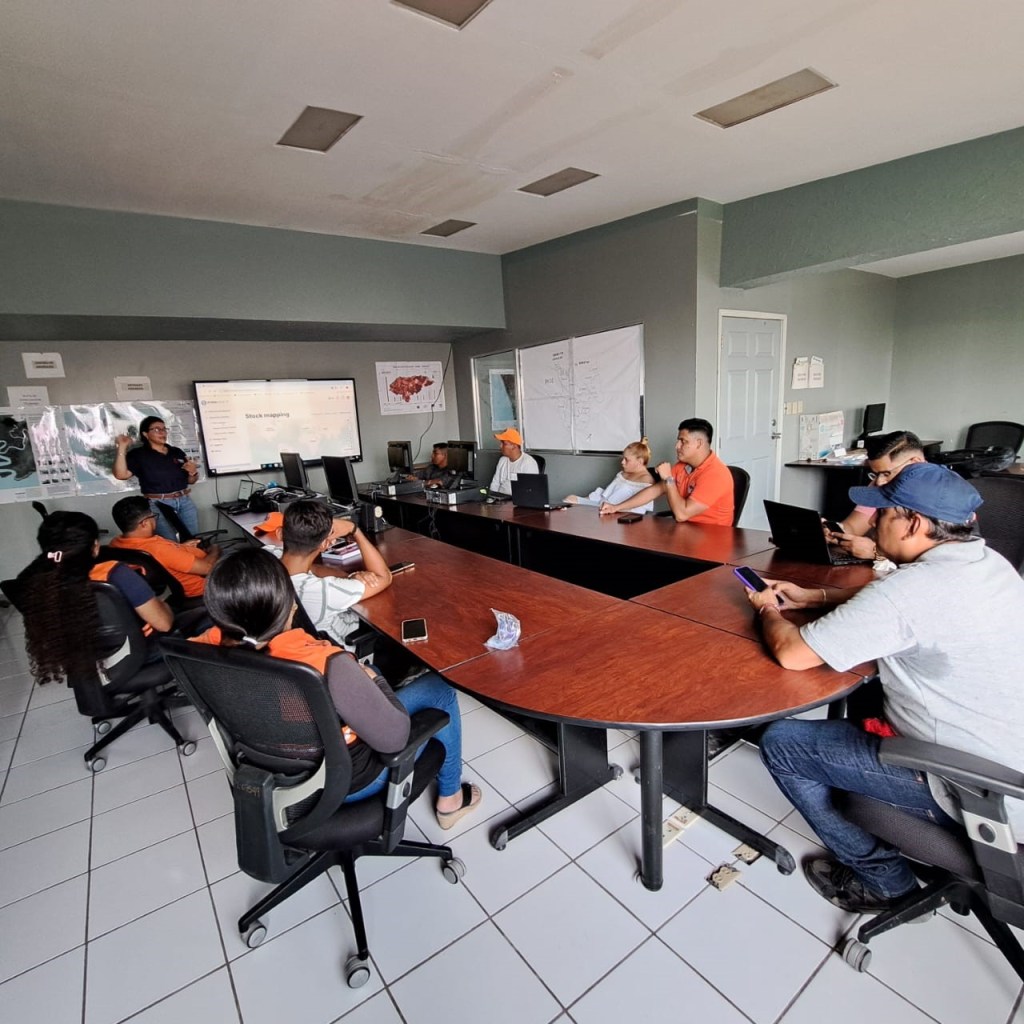
- Deployment of the STOCKHOLM platform as the national system for mapping prepositioned stock
- Participation from 29 agencies actively sharing stock data
- Integration with COPECO
- Broad stakeholder involvement, including UN agencies and NGOs
- Cross-cluster collaboration led by the Global Logistics Cluster and World Food Programme (WFP) as part of the Logistics Working Group, and supported by the Inter-Cluster coordination mechanism facilitated by OCHA.
Future goals
Although significant progress has been made, national actors recognise further potential to strengthen stock management practices. The next phase of this initiative includes:
- Further expanding awareness of the STOCKHOLM platform and its benefits
- Seeking active commitment from decision-makers in a broader cross-section of organisations
- Building in-house capacity for better stock data management
- Leveraging STOCKHOLM’s data analysis to drive proactive, collective action before next year’s rainy season
- Supporting local ownership, especially at the provincial level, to ensure the system’s sustainability.
The next milestone is for 50% of organisations prepositioning relief items in Honduras to regularly input stock data into STOCKHOLM before the start of the next wet season, advancing eventually towards a comprehensive national stock prepositioning strategy.
Lessons learned
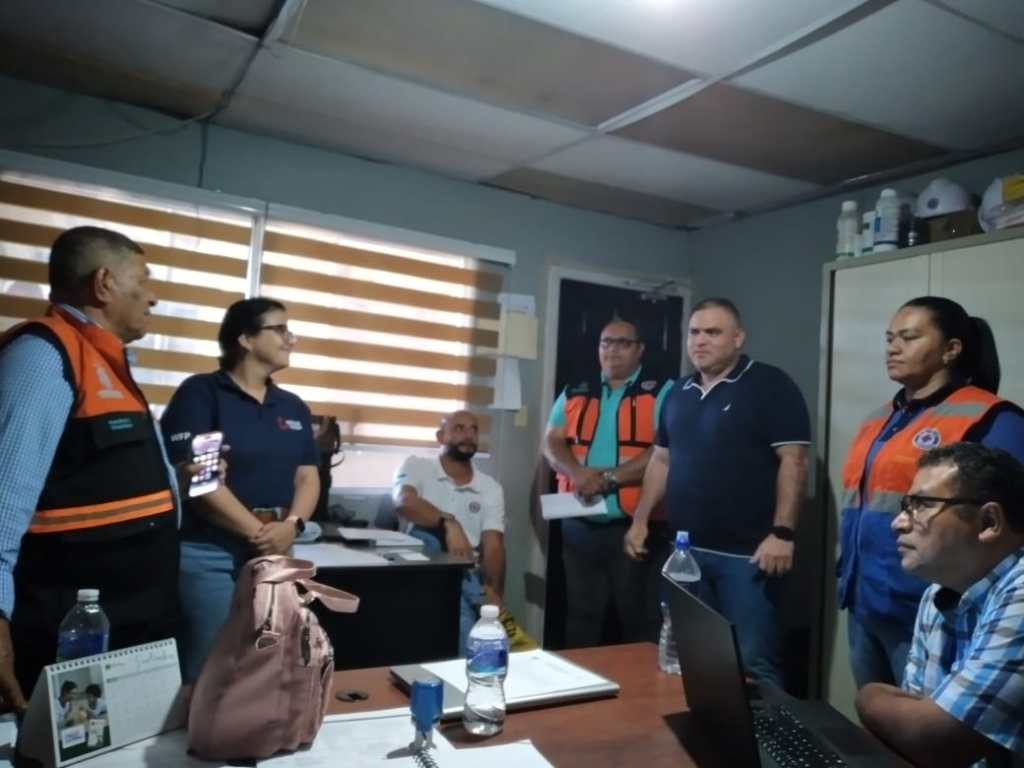
Implementing this systemic change in Honduras posed challenges, as entrenched practices can be difficult to shift. However, the experience highlights several factors critical to success:
- Strong national leadership with a unified commitment to goals
- Internal champions within agencies to lead and implement actions
- Ownership at both operational and strategic levels in organisations
- Alignment with existing national disaster management structures
- Active inter-sectoral collaboration among humanitarian actors
- Thorough promotion of STOCKHOLM within humanitarian networks to emphasise its advantages.
The transformation of stock prepositioning in Honduras, from static spreadsheet use to comprehensive digital integration, illustrates what is possible when national actors take the lead in disaster preparedness. This achievement also exemplifies how collaborative approaches can enhance humanitarian coordination.
STOCKHOLM is now used by COPECO’s regional offices to better coordinate with local humanitarian partners, improving both resource sharing and response alignment in Honduras. Stronger collaboration enhances COPECO’s ability to meet community needs swiftly and effectively during emergencies.
The STOCKHOLM platform is available to all organisations that provide in-kind relief support to people affected by emergencies and disasters. To find out more about the STOCKHOLM platform, get in touch with the ESUPS team.