
Category: ESUPS news
-

Message to the User Forum
Share the topics you would like to be discussed at the STOCKHOLM User Forum.
-
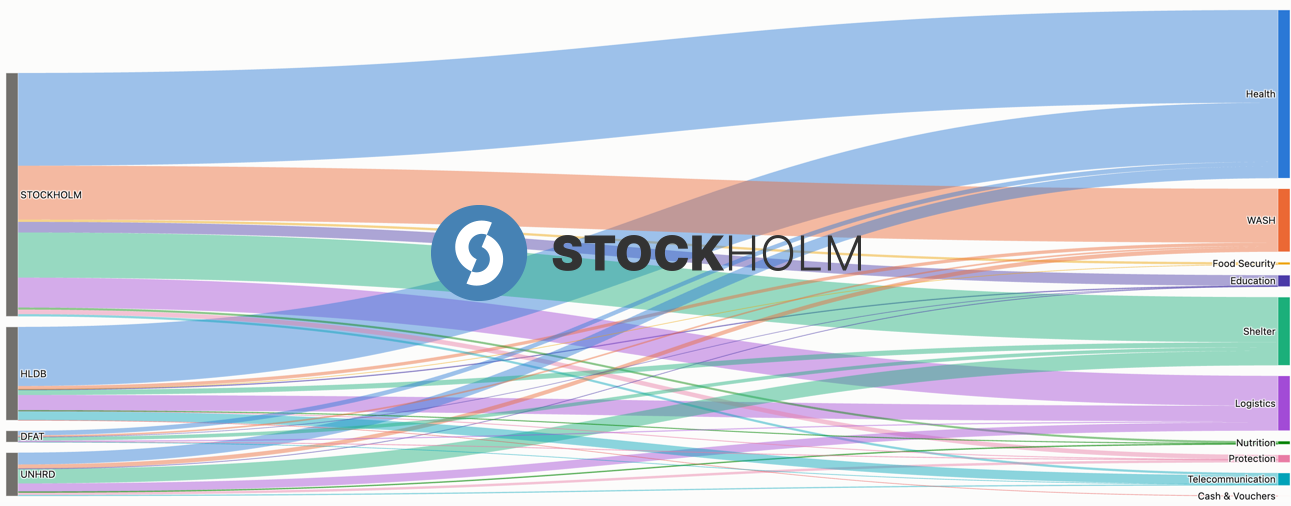
What we learned from analysing 9,000 stock items
The second article in our “Behind the Scenes” series shows how the STOCKHOLM team’s dedication to data accuracy strengthens the platform every day.
-

STOCKHOLM User Forum
At the core of STOCKHOLM lies this logic of user governance, so we have decided to create a User Forum to guide the future usage of the platform. Are you interested in joining? Write your email and express your interest below. The Forum aims to improve how we make decisions about the platform and give…
-

Welcome to Martin Keitsch, STOCKHOLM’s New Technical Product Manager
In our first “Behind the Scenes” article, Martin Keitsch talks about digitalisation, data ownership and what makes a free-to-use platform like STOCKHOLM sustainable.
-
ESUPS Newsletter
The ESUPS team launched a newsletter for professionals interested in humanitarian stock prepositioning. In each issue, our team will carefully curate relevant content for you, mixing resources, research and broader sector news with selected updates from the project.
-
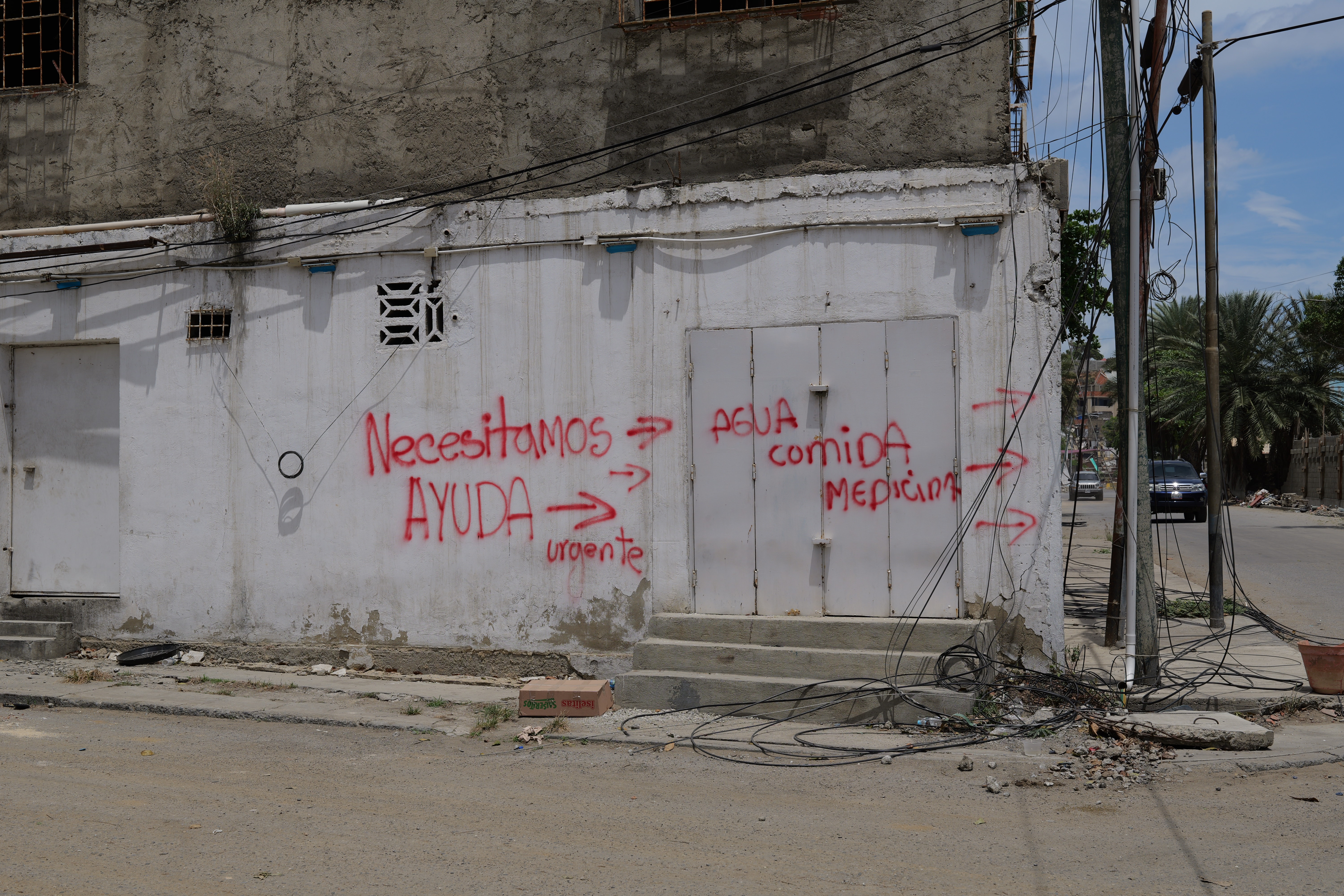
Three different levels of stock prepositioning readiness for three different emergency responses in 2026
An informal analysis of the different levels of humanitarian stock prepositioning readiness observed during three major emergencies this year: Nepal, Colombia and Venezuela.
-
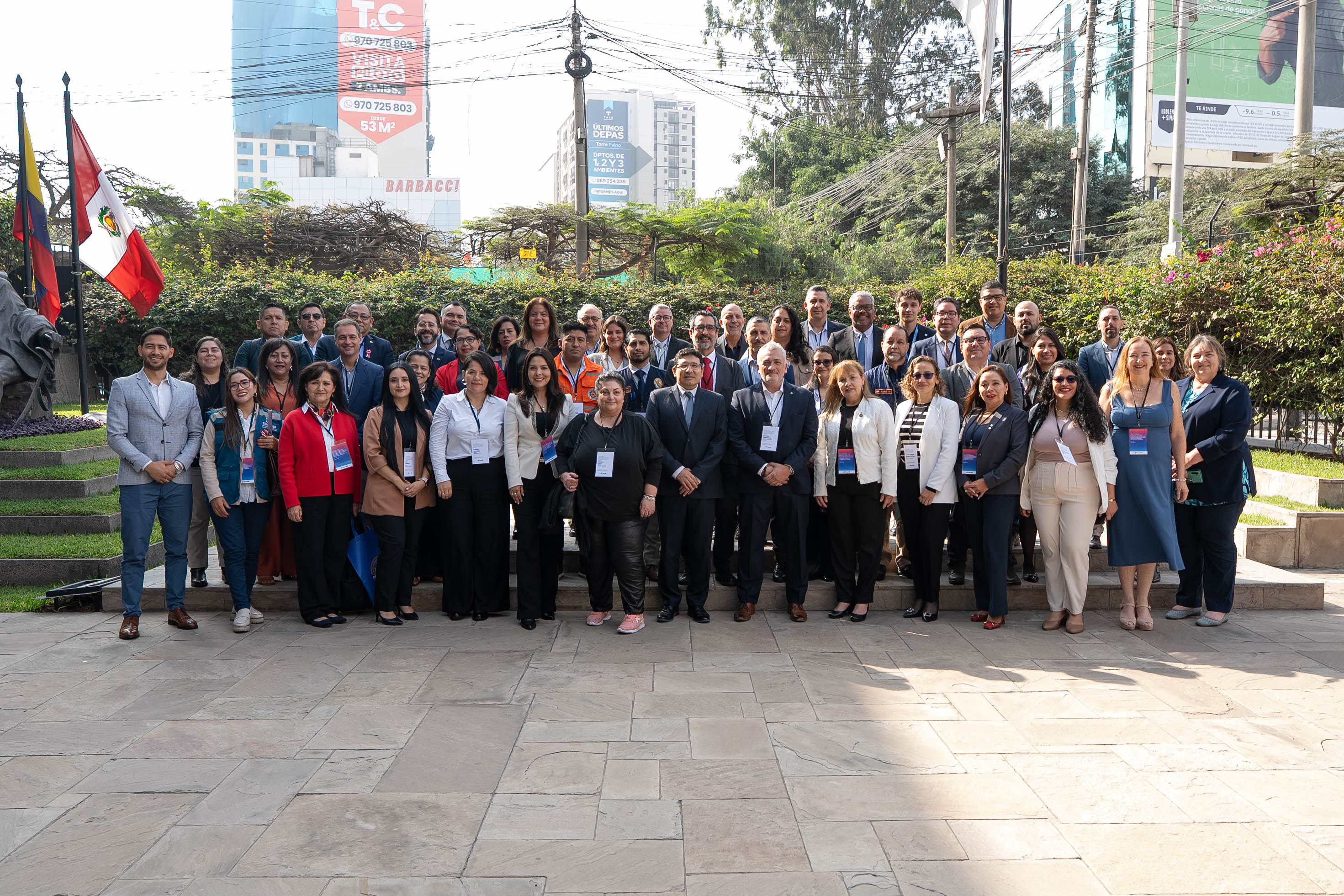
STOCKHOLM gains ground in Latin America and the Caribbean
In July 2026, ESUPS strengthened its partnership with the Inter-American Development Bank (IDB) by contributing to two regional events in Bridgetown, Barbados, and Lima, Peru.
-

What we heard from logistics experts in Nigeria
Perspectives from Nigerian colleagues on how shared stock visibility improves coordination, response time, and strengthens preparedness in humanitarian logistics.
-

ESUPS and UNHCR: advancing global stock visibility
UNHCR’s experience with STOCKHOLM highlights why interoperability is key to making stock data sharing more efficient, accurate and scalable.
-

ESUPS at HNPW 2026
An article to reflect on what ESUPS team members brought back from the HNPW 2026.