
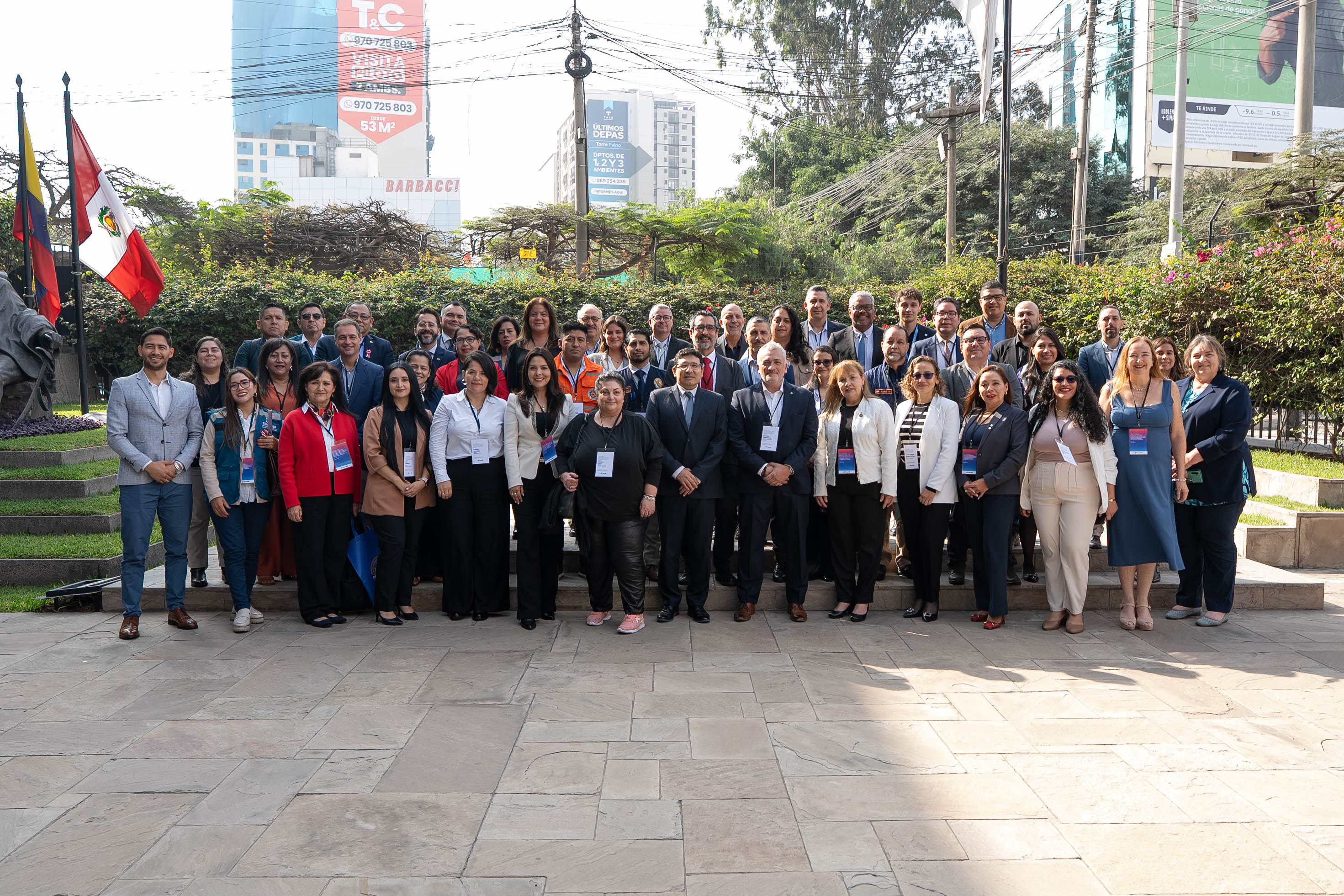
In July 2026, ESUPS strengthened its partnership with the Inter-American Development Bank (IDB) by contributing to two regional events in Bridgetown, Barbados, and Lima, Peru. ESUPS Project Manager Florent Chane joined the Caribbean dialogue from 7-9 July, while Tania Ochoa represented ESUPS at the Lima workshop later that month. Both events gave the STOCKHOLM platform direct exposure to national disaster management authorities in the region, with particularly interest from Peru, Paraguay and Ecuador.
ESUPS was invited by IDB in the framework of the Ready and Resilient Americas program which include the Regional Response Alliance aimed at strengthening coordination mechanisms between countries, subregional networks, international organizations, and the private sector.
Interested in stock prepositioning?
Subscribe to the ESUPS newsletter and stay updated on all things related to stock prepositioning.
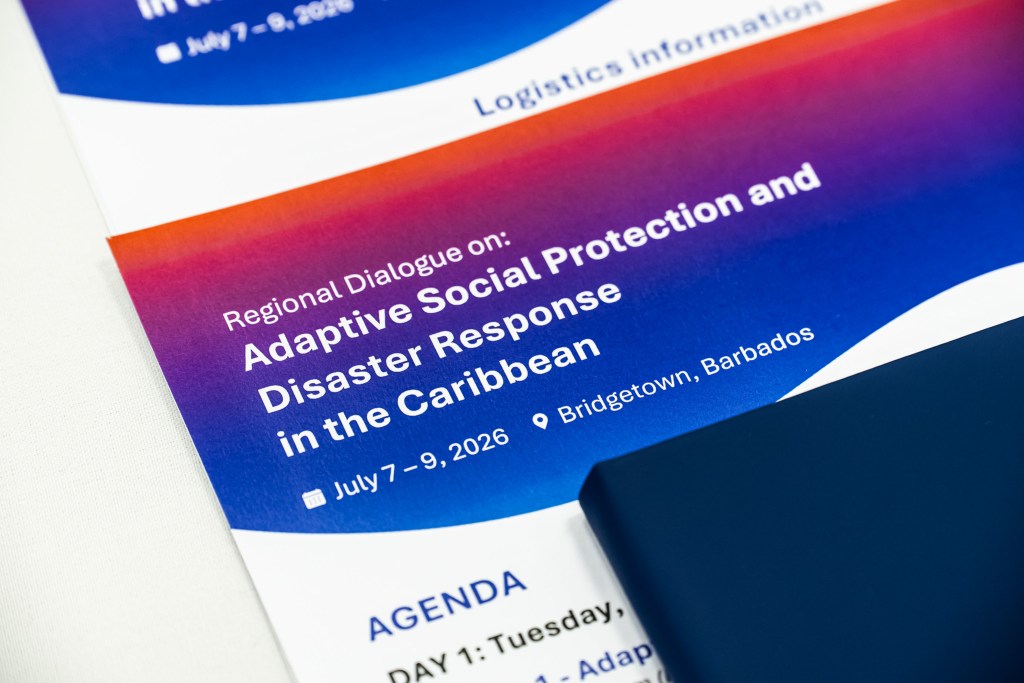


Barbados: stock prepositioning enters the regional conversation
In Bridgetown, Florent Chane took part in the second and third days of the dialogue, dedicated to critical supply chains, prepositioning and disaster management. He had the opportunity to engage in conversations with different actors in the region, discussing analytical models to optimise emergency preparedness and exploring connections with ConnectAmericas, an IDB-managed supplier database.
A technical follow-up with the IDB was agreed, covering the new STOCKHOLM functionalities under development, namely the development of interoperability with other regional systems as well as approaches for identifying private-sector suppliers and local manufacturers.
“IDB’s Ready and Resilient Americas works to strengthen the regional coordination mechanisms that make an agile disaster response possible. Platforms such as ESUPS’s STOCKHOLM show how shared data on prepositioned stock supports better-informed preparedness decisions”, Claudio Osorio Urzua, Disaster Risk Management Specialist at the Inter-American Development Bank.
Peru: government authorities show interest in STOCKHOLM’s decentralised approach
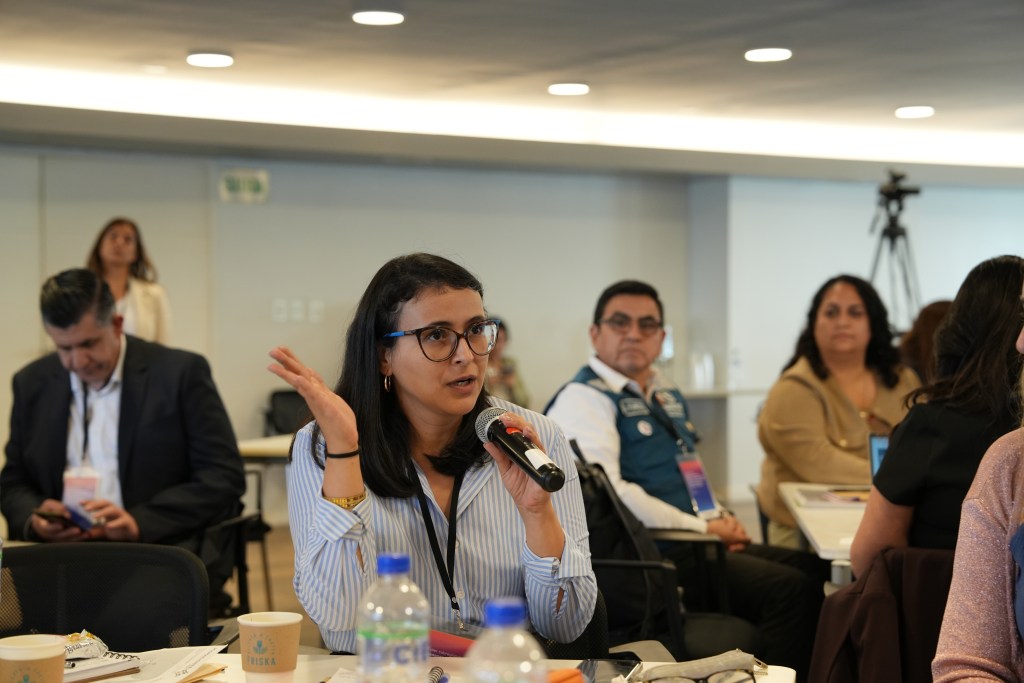
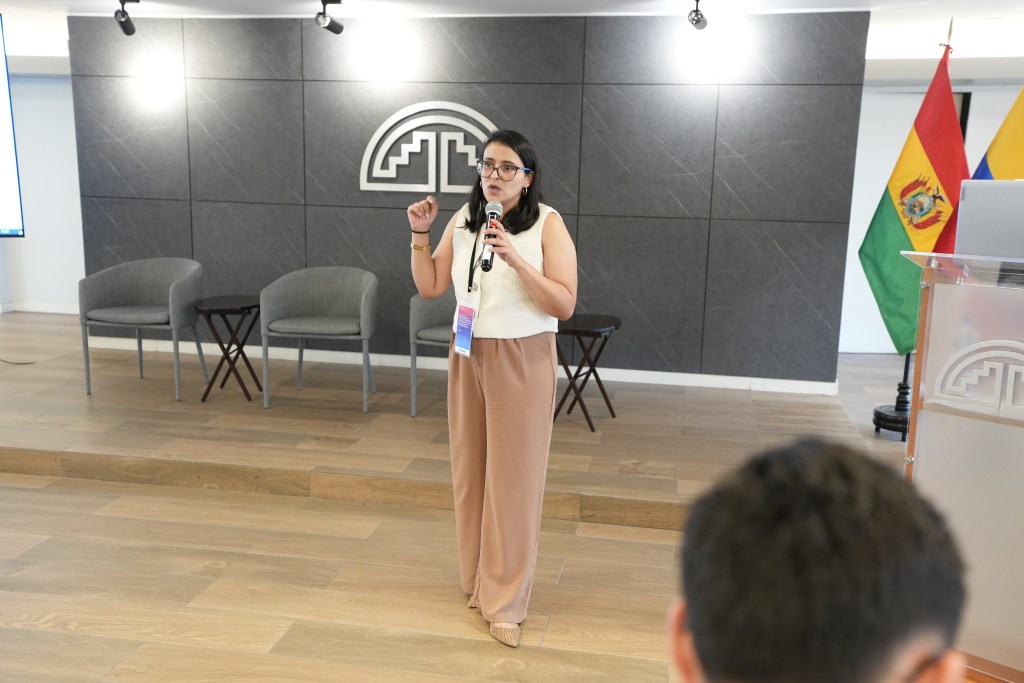
The Lima Subregional Workshop on Critical Supply Chains and Prepositioning proved to be quite productive in terms of raising interest of governments authorities in the STOCKHOLM platform. ESUPS was represented by Tania Ochoa, who presented the platform’s stock mapping, national disaster analysis and stock analysis modules.
In her presentation, participants showed a stronger interest in the governance part rather than in the technology behind the platform. Governments representatives wanted to understand who asks organisations to upload their stock data into STOCKHOLM, who keeps the data up to date, and how the process is coordinated between actors. This allowed ESUPS to explain STOCKHOLM’s decentralised approach, under which each organisation owns and manages its data.
Both Peru, Ecuador and Paraguay emerged as the strongest new candidates for the platform implementation. Their representatives were curious to listen to success stories showcasing the adoption of the STOCKHOLM platform and its impact in country operations. Brazil and Bolivia expressed interest in learning more, leaving a channel open for further discussions, while Colombia revealed willingness to resume the data collection carried out in 2023–2024.
After the workshop, ESUPS team members held follow-up meetings with the Instituto Nacional de Defensa Civil (INDECI) and the Secretaria Nacional de Gestion de Riesgos with the objective of assessing how they can adopt the STOCKHOLM platform following their needs and demands.
Further evidence that STOCKHOLM is gaining ground in Latin America and the Caribbean comes from ESUPS’s participation in two other IDB-organised events in 2025, held in Tegucigalpa and Panama City. As a multilateral funding agency with strong influence over disaster-risk management and national preparedness systems, the IDB is a key partner for ESUPS and these continued engagements provide a solid basis for a longer-term partnership.
