


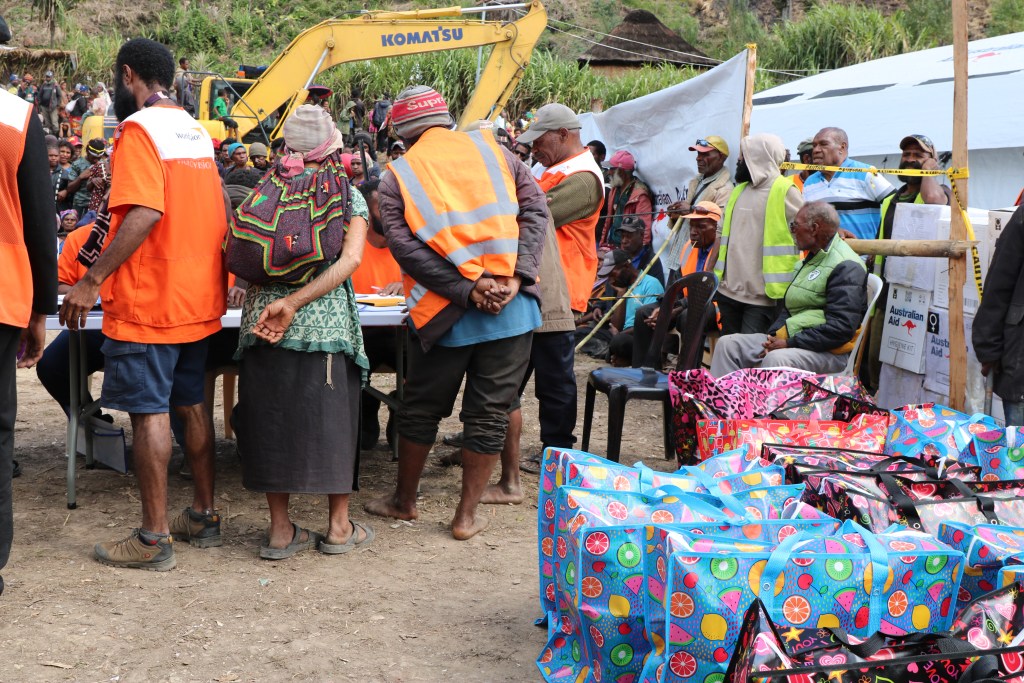

In May 2024, a massive landslide swept through several villages in the west-central Enga Province of Papua New Guinea (PNG). The disaster caused extensive damage and displacement, directly affecting almost 10,000 people. During the response to the landslide, organisations faced many challenges managing supplies of emergency relief items. It drove many actors to rethink their strategies for stock prepositioning, underscoring the need for more effective stock management and sparking a renewed focus on collaboration. One year on from the disaster, actors in the country are now taking action to better prepare for future challenges.
Papua New Guinea: A challenging context
PNG represents a difficult prospect for disaster management activities. Firstly, PNG is exposed to a variety of disasters. In addition to landslides, the country also faces the threat of volcanic eruptions, flash floods, and other hazards.
Additionally, disaster management activities in PNG are often hampered by physical constraints. The country’s rugged geography and isolated locations make logistics challenging. Many provinces can only be reached by air. For this reason, PNG authorities have historically worked with a range of humanitarian actors to contribute to disaster response logistics.
Added difficulties in stock prepositioning
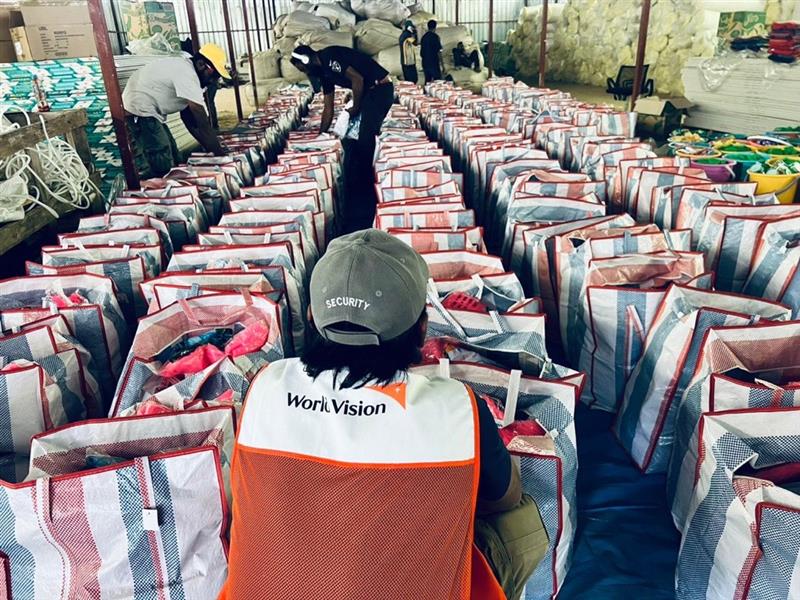
Disaster preparedness in PNG faces an additional challenge: the security of prepositioned stock. Repeated thefts of relief goods have led some organisations to avoid storing goods in local facilities, preferring to rely on framework agreements with suppliers to provide essentials as needed. “Our main challenge is security” highlights Fiona Manape, Corporate Services Manager for World Vision Papua New Guinea. “Without safe warehouses, stock prepositioning becomes nearly impossible”. This added complexity requires an even greater level of planning for agencies involved in humanitarian response in PNG.
Responding to the landslide in Enga
During the response to the landslide in Enga Province, the UN-led Disaster Management Team (DMT) and the National Disaster Centre (NDC) oversaw logistics across clusters for food, hygiene, and shelter supplies. World Vision Papua New Guinea, the largest INGO in the country, took a lead role but faced significant setbacks, including the previously-mentioned theft from makeshift warehouses and logistical hurdles due to the country’s remote terrain. These challenges exposed gaps in the system, reinforcing the need for a more structured approach to prepositioning.
Humanitarian teams quickly identified the need for more effective and coordinated stock management between local and international partners. It was clear that a more integrated stock prepositioning strategy would reduce waste, prevent duplication, and improve response times.
STOCKHOLM as a tool for coordination
The STOCKHOLM platform was introduced to the Logistics Working Group by World Vision Papua New Guinea as a potential solution to streamline stock tracking and enhance real-time coordination. Ms Manape was able to demonstrate the features of STOCKHOLM, especially the visibility it provides on stock prepositioned in country. By consolidating stock data across agencies, the platform offers a clearer picture of available resources.
“The STOCKHOLM digital platform offers a unified view of resources” says Manape. “It helps us consolidate and make better-informed decisions.” The DMT shared this positive response, which has led humanitarian actors across PNG to explore STOCKHOLM as a tool to improve information sharing and collaboration.
“STOCKHOLM was a real eye-opener for us” affirms Manape. “It shows exactly what stock is available and where, in real-time.” Partners across the humanitarian community, including donors, have shown interest in supporting warehouse solutions that could be integrated with STOCKHOLM, reinforcing a shared commitment to better preparedness across PNG.
Future plans for improved stock prepositioning
Overall, there is strong interest among agencies in PNG to pilot new solutions to the challenges faced in disaster management. The Logistics Working Group is in discussions about establishing secure warehouses in strategic locations to safely store essential relief items. STOCKHOLM will likely be a key component of this initiative, enabling better inventory tracking, minimising oversupply, and improving response coordination. Digital coordination tools and improved infrastructure will go hand in hand to create a more resilient disaster preparedness system.
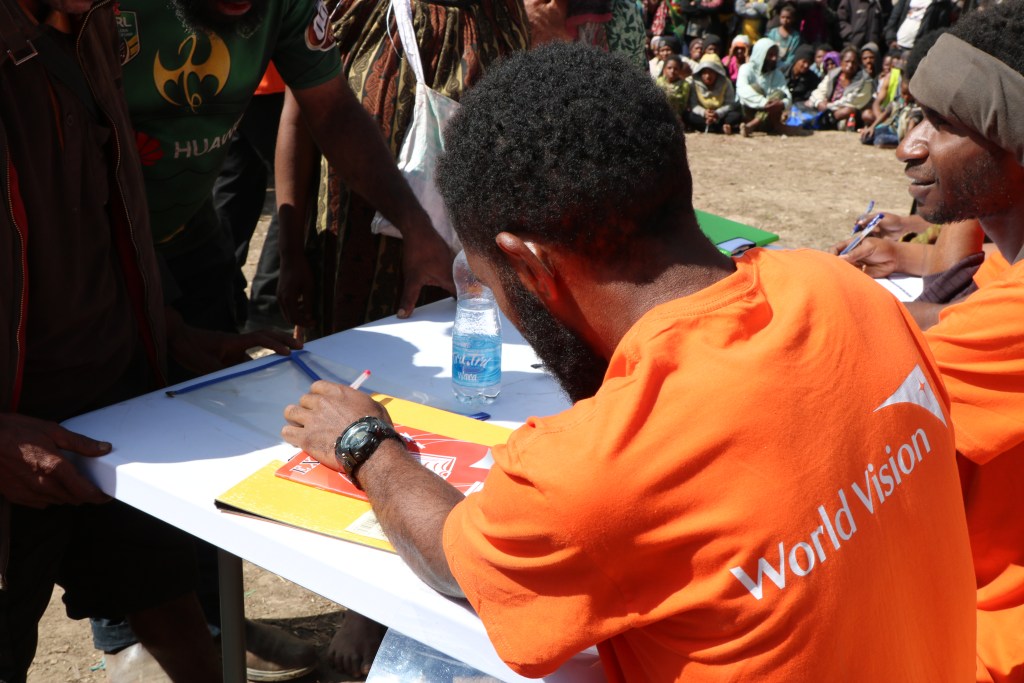
Photo credit: World Vision Papua New Guinea
Conclusion
Papua New Guinea’s response to the 2024 landslide has catalysed efforts to improve stock prepositioning practices, with stakeholders rallying around innovative tools like STOCKHOLM. As PNG continues to experience high vulnerability to disasters alongside a complex operating environment, effective stock prepositioning will be a cornerstone of improved disaster preparedness. Although only one part of the solution, investing in digital tools for coordination will help PNG’s humanitarian community strengthen its ability to respond efficiently and build long-term resilience.